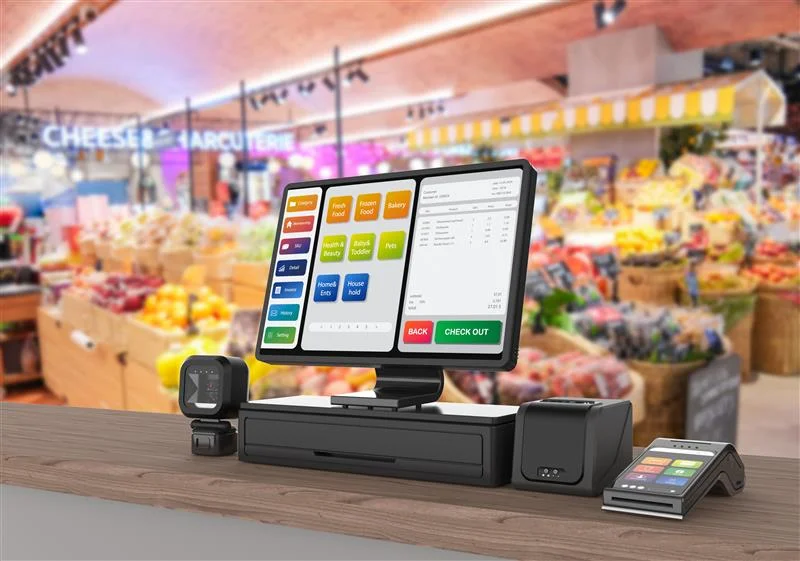
The supermarket industry in Oman is growing rapidly. From neighborhood grocery stores to large multi-branch supermarkets, retailers are handling more products, higher customer footfall, and tighter competition than ever before. In this environment, manual operations and outdated billing systems are no longer sustainable.
Customers expect fast checkouts, accurate pricing, and seamless payment experiences. At the same time, supermarket owners need better control over inventory, pricing, staff performance, and profitability. This is where the supermarket POS system in Oman plays a critical role.
Automating supermarket operations with modern POS software helps businesses in Oman streamline daily tasks, reduce errors, improve efficiency, and deliver better customer experiences—all while increasing long-term profitability.
Why Supermarket Automation Matters in Oman
Oman’s retail sector is evolving alongside changing consumer behavior. Shoppers are more time-conscious, price-aware, and quality-focused. Long billing queues, pricing mistakes, or out-of-stock items can quickly push customers toward competitors.
Many supermarkets still rely on manual processes or basic billing machines that lack inventory control and reporting capabilities. These systems make it difficult to track sales accurately, manage stock efficiently, or analyze business performance.
Automation through POS software enables supermarkets to operate smarter, not harder. It brings speed, accuracy, and visibility into every aspect of daily operations.
Common Operational Challenges Faced by Supermarkets in Oman
Before understanding how POS software helps, it’s important to look at the challenges supermarkets face when operations are handled manually or with limited systems.
Slow Checkout and Long Queues
Manual billing or outdated systems slow down checkout counters, especially during peak hours. Long queues frustrate customers and reduce the number of transactions a supermarket can handle in a day. This directly impacts customer satisfaction, repeat visits, and overall daily revenue potential.
Poor Inventory Visibility
Without automated inventory tracking, supermarkets often experience stock shortages or overstocking. This leads to lost sales, increased wastage, and poor cash flow management. Managers struggle to plan purchases accurately, resulting in inefficient stock rotation and higher holding costs.
Pricing and Discount Errors
Manually updating prices or offers increases the risk of incorrect billing. Even small pricing errors can damage customer trust and impact profitability. Frequent discrepancies also lead to staff confusion, customer disputes, and potential compliance issues during audits.
Limited Business Insights
Manual reporting provides little visibility into sales trends, fast-moving products, or low-performing items. Decision-making becomes guesswork instead of data-driven. This limits a supermarket’s ability to optimize pricing, manage inventory effectively, and plan growth strategies confidently.
High Dependence on Staff Accuracy
Manual systems rely heavily on staff experience and attention to detail. Human errors are unavoidable and become costly over time. Staff turnover further increases risk, as new employees require extensive training to avoid operational mistakes.
What Is POS Software for Supermarkets?
POS (Point of Sale) software is a comprehensive system designed to manage billing, inventory, pricing, payments, and reporting from a single platform. Unlike basic cash registers, modern POS software automates core supermarket operations in real time.
A supermarket automation software in Oman typically includes:
- Barcode-based billing
- Real-time inventory management
- Pricing and promotion control
- VAT-compliant invoicing
- Sales and profit reporting
- Staff and counter management
By centralizing operations, POS software replaces fragmented processes with a streamlined, automated workflow.
How POS Software Automates Supermarket Operations
Faster Billing and Checkout Automation
One of the most immediate benefits of POS software is faster checkout. Barcode scanning allows cashiers to process items quickly, reducing waiting times even during rush hours.
The system automatically applies prices, discounts, and taxes, ensuring accurate billing every time. Multiple payment options—cash, card, and digital wallets—can be processed seamlessly, improving customer convenience.
Faster checkouts mean higher customer throughput, improved satisfaction, and increased daily sales volume.
Real-Time Inventory Management
Inventory automation is a game-changer for supermarkets. Every sale automatically updates stock levels in the system. This provides real-time visibility into inventory across all product categories.
POS software generates low-stock alerts, helping store managers reorder products before shelves go empty. It also helps identify slow-moving items, reducing overstocking and wastage.
With accurate inventory data, supermarkets in Oman can plan purchases better and optimize storage costs.
Pricing, Offers, and Promotions Automation
Managing prices and promotions manually is risky and time-consuming. POS software allows centralized control of pricing across all checkout counters.
Supermarkets can easily configure discounts, bundle offers, seasonal promotions, and loyalty pricing. Changes are applied instantly across the system, ensuring consistent pricing and eliminating confusion at checkout.
This flexibility helps supermarkets stay competitive while protecting profit margins.
Centralized Multi-Branch Management
For supermarket chains or businesses planning expansion, POS software offers centralized control across multiple locations.
Managers can monitor sales, inventory, and performance across all branches from a single dashboard. Stock transfers between branches become easier, and consolidated reports provide a clear overview of the entire business.
This level of control is impossible with manual systems and is essential for scalable growth.
Benefits of POS Automation for Supermarkets in Oman
Automating operations with POS software delivers measurable business benefits:
Improved Operational Efficiency
Automation reduces manual work, speeds up transactions, and minimizes errors. Staff can focus on customer service instead of repetitive tasks, leading to smoother workflows, better coordination between teams, and more consistent daily operations.
Higher Customer Satisfaction
Fast checkouts, accurate billing, and product availability improve the overall shopping experience and encourage repeat visits. Customers appreciate shorter wait times, transparent pricing, and reliable service, which strengthens trust and long-term loyalty.
Better Inventory Control
Real-time tracking prevents stock shortages, reduces wastage, and improves purchasing decisions. Managers gain better visibility into product movement, helping maintain optimal stock levels and avoid overstocking or missed sales opportunities.
Reduced Operational Costs
By minimizing errors, shrinkage, and inefficiencies, POS automation lowers operational expenses over time. Improved inventory accuracy and reduced manual workload help supermarkets save money and increase overall profitability.
POS Software Features Every Oman Supermarket Needs
To fully automate tasks, supermarkets should look for POS software with essential features:
- Barcode and SKU management for quick billing
- VAT-compliant invoicing aligned with Oman regulations
- Inventory and supplier management tools
- Sales, profit, and category-wise reports
- User access controls for staff and managers
These features ensure the system supports both daily operations and long-term business planning.
How POS Software Improves Supermarket Profitability
Profitability is not just about increasing sales—it’s about controlling costs and optimizing operations.
POS software helps supermarkets identify best-selling products, peak sales hours, and profit margins by category. With accurate data, managers can make informed pricing and purchasing decisions.
By reducing billing errors, preventing stock loss, and improving checkout speed, POS systems directly contribute to higher revenue and healthier profit margins.
Cloud-Based POS vs On-Premise POS for Oman Supermarkets
Supermarkets in Oman can choose between cloud-based and on-premise POS systems.
Cloud-based POS systems allow access to data from anywhere and reduce infrastructure costs. Updates and backups are handled automatically, making them ideal for growing businesses.
On-premise POS systems offer local data storage and may suit supermarkets with specific internal IT requirements. The right choice depends on business size, scalability needs, and operational preferences.
Why Oman Supermarkets Are Upgrading to Modern POS Systems
Several factors are driving POS adoption in Oman’s supermarket sector:
- Increasing competition among retailers
- Higher customer expectations for speed and accuracy
- Growing product variety and pricing complexity
- Need for real-time business visibility
Supermarkets that invest in modern POS systems gain better control, improved efficiency, and a stronger competitive position.
How Kays IT Helps Supermarkets Automate Operations
Kays IT provides tailored POS solutions designed specifically for supermarkets in Oman. Our systems are built to handle high transaction volumes, complex inventory, and multi-branch operations.
From consultation and implementation to training and ongoing support, Kays IT ensures supermarkets transition smoothly from manual processes to fully automated systems.
Our focus is not just on technology but on helping businesses operate more efficiently, serve customers better, and grow sustainably.
Conclusion: Automation Is the Future of Supermarket Operations
Manual supermarket management is no longer practical in today’s fast-paced retail environment. Automation through POS for supermarkets in Oman brings speed, accuracy, and control to every aspect of supermarket operations.
For supermarkets in Oman, adopting POS software means better customer experiences, stronger inventory control, reduced costs, and higher profitability. It’s not just a technology upgrade—it’s a strategic move toward long-term success.
Supermarkets that embrace automation today will lead the retail market of tomorrow.
Ready to streamline your supermarket operations?
Connect with Kays IT to explore how our POS solutions can automate billing, inventory, and reporting while improving efficiency and customer experience
Frequently Asked Questions
1. What is POS software for supermarkets?
POS software for supermarkets is a digital system that manages billing, inventory, pricing, payments, and reporting from one platform. It automates daily operations, reduces manual errors, improves checkout speed, and gives supermarket owners better control over sales and stock.
2. How does POS software help supermarkets in Oman?
POS software helps supermarkets in Oman by streamlining billing, tracking inventory in real-time, managing VAT-compliant invoices, and generating accurate reports. It enhances operational efficiency, reduces costs, and improves the customer experience in a competitive retail environment.
3. Can POS software manage inventory automatically?
Yes. POS software automatically updates inventory after every sale. It tracks stock levels, sends low-stock alerts, helps manage suppliers, and reduces wastage. This ensures supermarkets always have the right products available and avoid overstocking or shortages.
4. Is POS software suitable for small supermarkets in Oman?
Absolutely. POS software is scalable and works for small, medium, and supermarkets. Small stores benefit from faster billing and better stock control, while growing supermarkets can easily add features like multi-counter or multi-branch management as they expand.
5. Why choose a local POS software provider in Oman?
A local provider understands Oman’s retail regulations, VAT requirements, and business practices. They offer faster support, on-site training, and customized solutions. This ensures smooth implementation, minimal downtime, and long-term system reliability for supermarkets.