
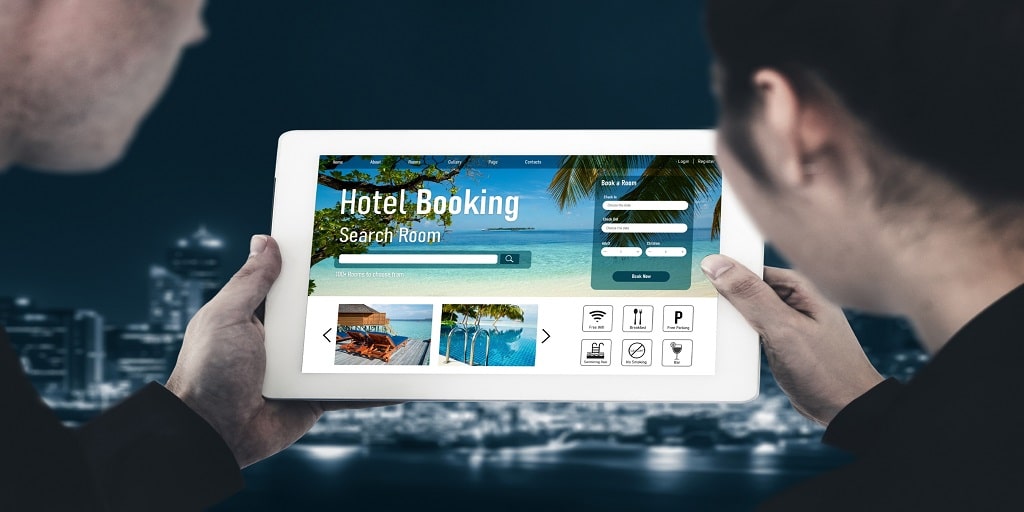
Oman's tourism industry continues to expand, with Salalah's Khareef season attracting regional leisure travelers and Muscat maintaining steady corporate and government demand. New properties are entering the market, international chains are strengthening their presence, and guest expectations are rising rapidly. As competition intensifies, hotels are increasingly relying on advanced technology to manage distribution, pricing, and guest engagement more efficiently.
Yet despite increasing visitor numbers, many hotels still experience fluctuating occupancy rates. Heavy reliance on online travel agencies (OTAs), manual reservation processes, and disconnected systems quietly reduces profitability. Unsold rooms remain one of the most critical challenges in hospitality because a room night not sold today cannot be recovered tomorrow.
In this competitive landscape, occupancy growth depends on more than marketing. It requires intelligent booking technology and infrastructure that captures direct demand, synchronizes inventory, and adapts quickly to seasonal fluctuations unique to Oman.
The Real Occupancy Problem in Oman
Occupancy instability in Oman is driven by three core issues:
1. OTA Dependency
Many hotels rely heavily on Booking.com and Expedia, surrendering 15% to 25% of each reservation in commission. While these platforms increase visibility, they significantly reduce net revenue.
2. Manual Reservation Errors
Disconnected spreadsheets, delayed updates, and manual confirmations create overbookings, missed inquiries, and guest dissatisfaction.
3. Seasonal Volatility
Khareef creates sudden booking surges in Salalah, while off-season months require strategic demand stimulation. Without intelligent systems, hotels either underprice during peaks or leave rooms vacant during slower periods.
Occupancy is not simply about attracting guests. It is about controlling distribution, pricing strategically, and preventing revenue leakage.
Stop Paying 20% Commissions: Strengthen Direct Bookings
The fastest way to improve occupancy profitability in Oman is by strengthening direct website bookings. An advanced hotel booking engine in Oman allows hotels to accept reservations instantly without paying commission fees to third-party platforms. Many hoteliers are actively looking for ways to reduce OTA commissions and regain control over their direct sales strategy.
However, to convert effectively in the Omani market, a booking engine must address local expectations:
- Mobile-Optimized Interface: Essential for the majority of regional travelers who browse and book via smartphones. With smartphone bookings dominating regional travel behavior, optimizing for mobile is no longer optional.
- Arabic Language Support: To serve domestic and GCC travelers comfortably and professionally.
- Local Payment Gateways: Integration with trusted providers like Bank Muscat and Thawani to increase guest payment confidence.
- Instant Confirmation: Providing immediate peace of mind for travelers and business professionals alike.
Platforms such as eZee Reservation are designed to help hotels capture this direct demand efficiently. Even shifting 15% of OTA bookings to direct channels can significantly improve your bottom line without increasing your marketing spend.
Operational Excellence: Sync Everything in Real Time
Direct bookings alone are not enough. Hotels must ensure that every room is accurately reflected across all distribution channels simultaneously. A reliable hotel reservation system in Oman synchronizes inventory in real-time across:
- Official Website Bookings
- Global OTAs (Booking.com, Expedia, Agoda)
- Corporate & Government Contracts (Allotment management)
- Walk-in Reservations
Automation reduces manual intervention. Confirmation emails and availability updates happen instantly, meaning staff members spend less time correcting errors and more time focusing on the guest experience.
Automation also ensures instant confirmations, accurate availability updates, and reduced staff workload. When systems operate cohesively, hotels protect revenue and maintain operational confidence.
Mastering Khareef and Off-Season Strategy
Oman's seasonal travel patterns require flexible pricing and inventory management. During Khareef in Salalah, demand can surge within days. Hotels must be able to adjust rates dynamically to maximize revenue from peak demand.
Conversely, during off-peak periods, simply slashing prices can damage brand positioning. Instead, intelligent booking software allows properties to create value-driven packages such as:
- Staycation Bundles: Targeted at Muscat residents during midweek periods.
- Room and Tour Packages: Leveraging Oman's natural beauty to add value.
- Corporate Midweek Pricing: Specifically for business hubs like Ghala and Al Khuwair.
Seasonal management becomes strategic rather than reactive, converting volatility into controlled, year-round revenue growth.
Enhancing the Guest Journey Through Seamless Technology
Occupancy stability is strongly influenced by guest satisfaction and repeat stays.
Today's travelers expect:
- Immediate confirmation
- Secure and trusted payment processing
- Mobile-friendly booking interfaces
- Clear cancellation policies
- Transparent pricing
A smooth and seamless online booking experience builds trust before the guest even arrives.
A comprehensive hotel reservation management system that Oman hotels adopt provides reporting dashboards, booking insights, and performance tracking that allow management to refine strategy continuously.
Technology should not only increase occupancy. It should strengthen brand credibility and encourage long-term guest loyalty.
Conclusion: Technology Is Now a Revenue Strategy
In Oman's competitive hospitality environment, occupancy growth is no longer dependent solely on location or amenities. It depends on operational control and distribution strategy.
Hotels that reduce commission exposure, synchronize inventory in real time, integrate local payment solutions, and adapt intelligently to seasonal demand cycles achieve measurable performance advantages.
Advanced solutions such as eZee Reservation enable Omani hotels to recover margin, improve conversion rates, and respond confidently to Khareef surges, corporate contract demands, and midweek occupancy gaps.
Occupancy growth is not accidental. It is engineered through a localized, intelligent booking infrastructure that transforms technology into sustainable revenue performance.
Turn Your Booking Engine Into a Revenue Asset
Direct bookings are not just about commissions. They are about control, guest data, and long-term profitability. Discover how eZee Reservation helps Oman hotels capture more revenue without sacrificing brand authority.
Frequently Asked Questions
How can booking technology help hotels increase occupancy in Oman?
Smart booking technology improves real-time availability, reduces errors, captures direct reservations, and optimizes pricing strategies, enabling Omani hotels to fill more rooms consistently while minimizing revenue loss.
Why should hotels in Oman reduce dependence on online travel agencies?
While OTAs provide visibility, high commission fees reduce profitability. Strengthening direct website bookings allows hotels to retain full revenue and build stronger long-term relationships with guests.
What features should a modern hotel booking system include?
A modern system should offer real-time inventory updates, automated confirmations, secure payment integration, mobile compatibility, reporting dashboards, and seamless synchronization across all booking channels.
How does automation reduce booking errors in hotels?
Automation eliminates manual data entry, synchronizes availability instantly, and sends immediate confirmations, reducing overbookings, minimizing staff workload, and ensuring accurate reservation management at all times.
Can booking software help manage seasonal demand in Oman?
Yes, advanced booking systems allow dynamic pricing adjustments, real-time availability control, and quick promotional campaigns, helping hotels maximize revenue during peak seasons and maintain occupancy during slower periods.